

The number of Catholics formally disaffiliating from the Church in Germany has fallen for the third year in a row, while the percentage of Catholics attending Mass has risen for the fourth consecutive year.
However, the figure had been as low as 162,093 as recently as 2016, before it spiked in 2022.
Meanwhile, the percentage of baptised Catholics attending Mass which fell from 10.4pc in 2015 to a low of 4.3pc in 2021 during the covid pandemic, has gradually recovered to 6.8pc in 2025.
Last year also saw a slight rise in the total number attending mass, as well as first communions and confirmations. However, baptisms and ordinations were both down,

The Holy See has called for the complete eradication of surrogacy to protect women and children from exploitation.
An envoy told a UN panel the practice risks reducing children to “commodified products” and women to “service providers”.
“The issue of surrogacy is an urgent one — the technology and practice have run laps around law and ethics,” Archbishop Gabriele Caccia, told the UN Commission on the Status of Women in New York last week.
Although prohibited as a form of human trafficking in most European countries, commercial surrogacy remains widespread in the USA, Asia, and Latin America, and so-called ‘altruistic surrogacy’ is even more widely practiced.
In his address, Archbishop Caccia said that the global “surrogacy industry” was fuelled by poverty. He said that the demand for children exceeded supply, and that many women were “pressured or even forced” by family members into acting as surrogates.
Women who agreed to be employed as surrogates could find themselves in a “perverse competition for commissioning parents”, he said, while a child diagnosed with a disability became “a flawed product or problem to be solved”.
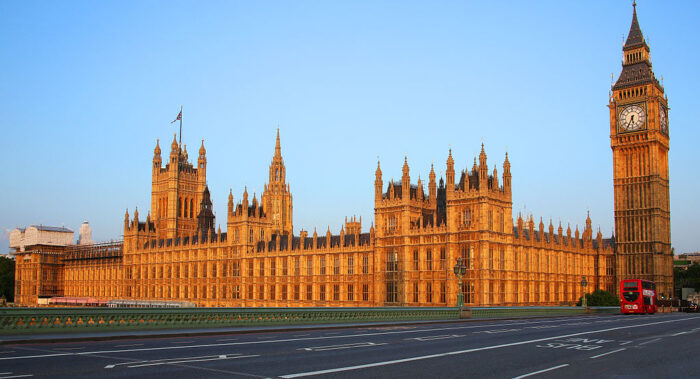
The UK’s House of Lords voted by 185 to 148 to remove criminal sanctions when a woman induces her own abortion at any stage of pregnancy, for any reason.
The controversial change had passed the House of Commons in June last year after just 46 minutes of debate, but was opposed by a wide swath of society, including major newspapers such as The Times of London.
Another amendment that would have reinstated in-person consultations prior to prescribing drugs for an at-home abortion, was rejected by Peers who voted by 191 to 119 against it.
The double blow was met with dismay by pro-life groups.
Catholic Archbishop John Sherrington said the move is “likely to lead to more late-term abortions putting pregnant women and their babies at risk”.
He added: “Many women could likely also face even greater risks of isolation, coercion, and pressure”.
Plans to legalise ‘assisted dying’ in Scotland have been rejected by the Scottish Parliament.
MSPs voted by 69 to 57 to throw out the Assisted Dying for Terminally Ill Adults (Scotland) Bill, with one abstention, after several who previously supported it switched sides.
They were given a free vote on the Bill, meaning they could act in line with their consciences and were not whipped by their parties.
The Bill, tabled by Liberal Democrat Liam McArthur, would have given mentally competent people over 18 who have been diagnosed with a terminal condition the right to die by euthanasia.
Pro-Life groups welcomed the vote as a “major victory for the most vulnerable in our society”.
“After two years of debate, and the most intense scrutiny that the question of assisted suicide has ever received in Scotland, Holyrood, widely regarded as one of the world’s most socially and politically progressive legislatures, has come to the conclusion that introducing assisted suicide is unsafe and dangerous”, said Right to Life UK.
They added that it settled the issue in Scotland “for a generation” and likely struck “a mortal blow” to the assisted suicide Bill in Westminster.
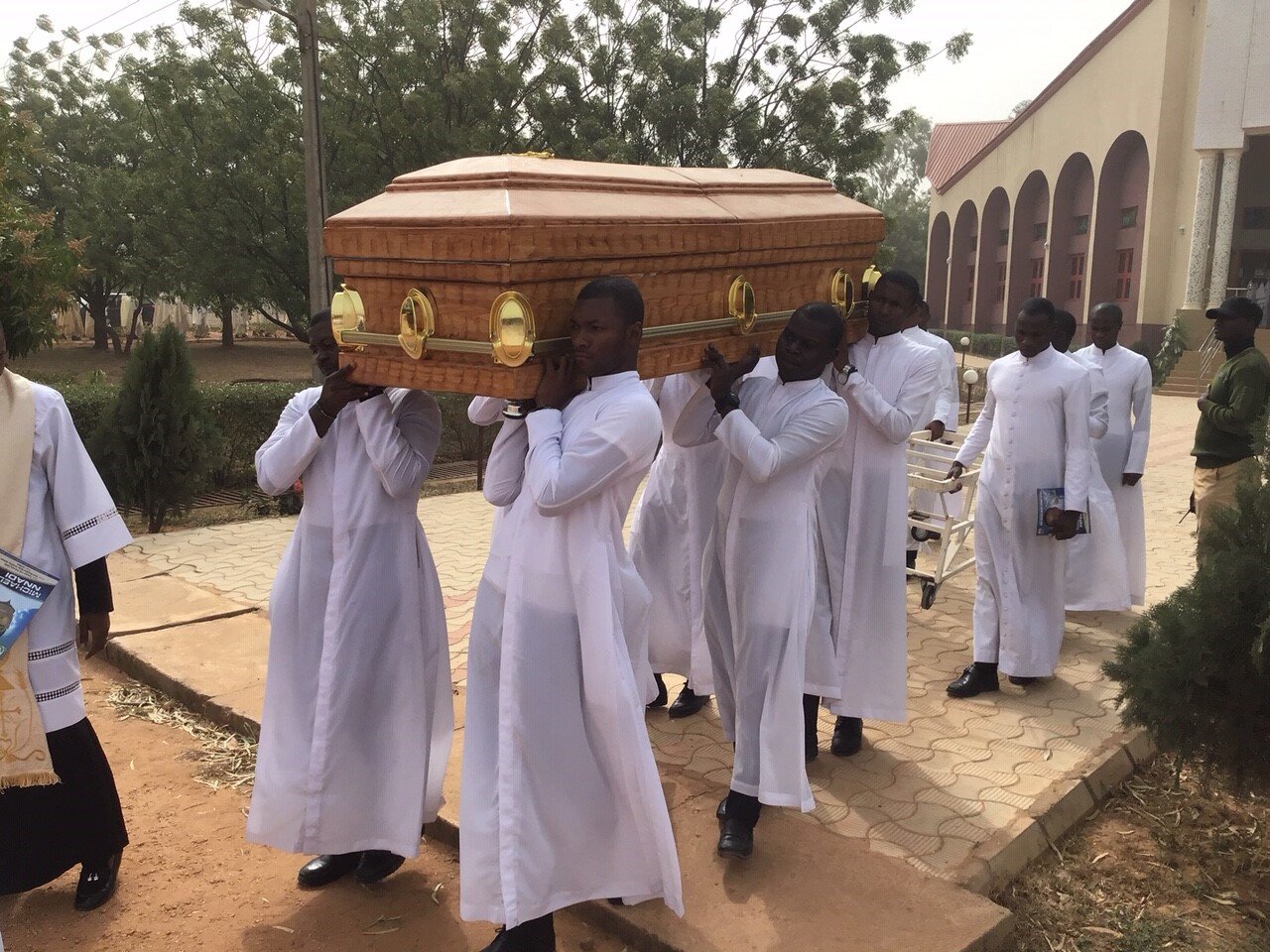
The Government there has long been accused of complicity in the persecution by tacitly consenting to a campaign of ‘Islamisation’ and turning a blind eye to acts of terrorism. Many Christians have been killed by Islamists in Nigeria.
President Bola Ahmed Tinubu will visit the King and Queen on Wednesday and Downing Street on Thursday.
Parliament’s all-party group for international freedom of religion has written to the Government to put pressure on Mr Tinubu to uphold human rights in his country.
The group’s chairman, DUP MP Jim Shannon, said Nigeria needed to “take concrete steps to prevent the harassment, persecution and killing of Christians, while ensuring that perpetrators are investigated and prosecuted”.
The African nation is one of the most dangerous countries in the world for Christians, with Islamist terrorist groups, including Boko Haram and Islamic State West Africa Province, targeting Christians and their properties.
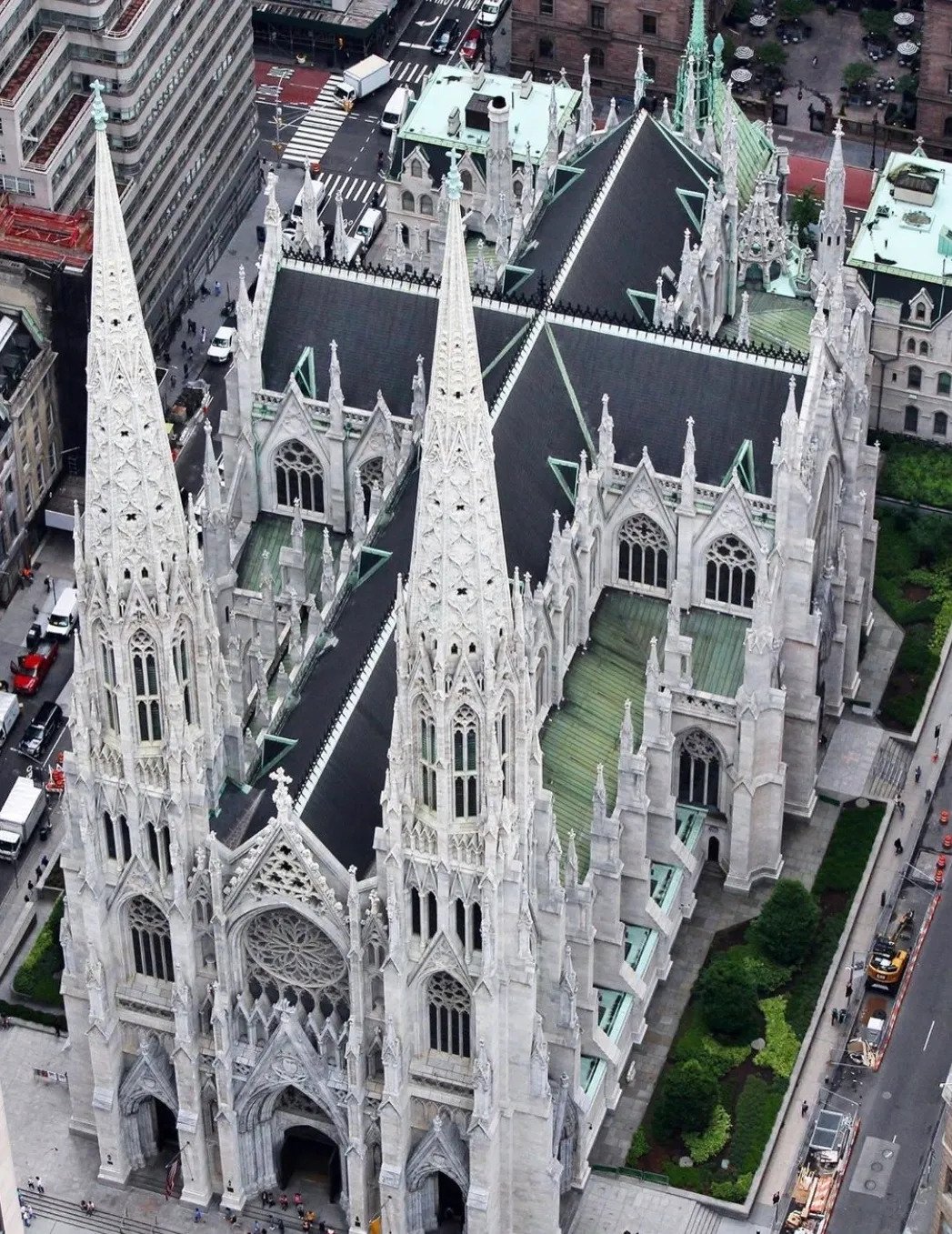
Priests in New York are reporting a big increase in the number of young Catholics attending mass or converting to the faith.
At one parish, St Joseph’s in Grenwich Village, near New York University, a resident priest says: “Our masses are full. At the 11:30am, there are people all over the balcony. For Ash Wednesday it was out the door, down the steps, down the sidewalk and around the corner to get into church”. The church is run by the Dominicans.
The number of adults seeking to join the faith has tripled in the last year.
St Patrick’s Old basilica, also near the university, and St Vincent Ferrer’s parish in the Upper East Side, has also report big increases in adult conversions.
While the numbers are small in absolute terms, they seem to back recent surveys showing growing interest in religion among a segment of ‘Gen Z’ young adults.
Asked if he had ever seen anything like it before, a priest said: “I’ve seen successful ministries, but a groundswell and not just in the parish here but across the American church and beyond, I’ve never seen anything like it”.
He continued: “This church is packed at every mass I went to, with young enthusiastic people who really, really want to practice their faith. And, in addition, the discussion group that meets after mass is such an opportunity to not only practice your faith, but actually learn about it”.

In an Institute for Family Studies (IFS) report, sociologist and author Rosemary Hopcroft notes that rates of loneliness are rising, affecting 40% of those age 45 and older (up 5% since 2018). In addition, she highlighted how the number of Americans living alone in their 80s and 90s will soon skyrocket, “from 6% of all households in 2018 to 12% in 2028.”
Data on younger generations indicate that the trend of solitary living is set to increase further as birth rates continue to plummet. IFS projections “show that as many as 30% of all women born in 1989 in the U.S. will likely remain childless.” As this childless cohort ages, studies show that they are more likely to report being lonely than those who have children. Hopcroft pointed to a study of Americans 50 and older showing that those “without living children reported a significantly higher level of loneliness compared to those with living children,” even when controlling for other loneliness-related factors.
https://ifstudies.org/blog/all-the-lonely-people-loneliness-is-exacerbated-by-childlessness-
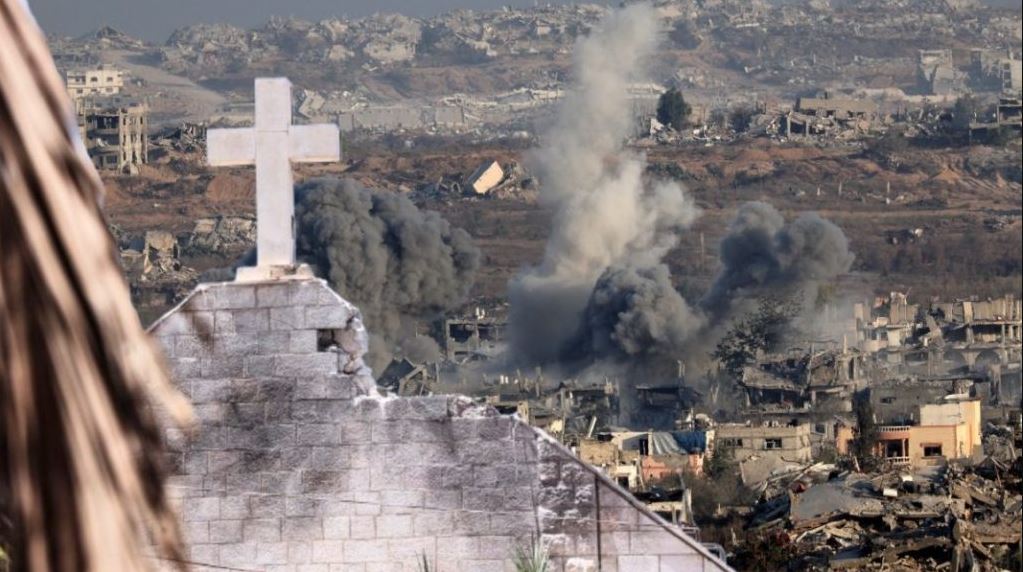
The Holy See has warned that Christians remain the most persecuted religious group in the world, with hundreds of millions facing violence, discrimination or marginalisation because of their faith.
Speaking at an event at the United Nations in Geneva, the Vatican’s delegate, Archbishop Ettore Balestrero, said the scale of persecution was stark and ongoing.
He told the gathering that nearly 5,000 Christians were killed because of their faith in 2025 alone, which he noted amounted to roughly 13 deaths every day.
He warned that one of the most serious global problems remained the failure of authorities to hold perpetrators accountable.
“Impunity remains one of the most serious issues in the global landscape of religious persecution,” he said, arguing that governments must safeguard believers before, during and after attacks.
Religious liberty, he continued, is not merely one right among many but a foundation of human dignity.
Yet, quoting Pope Leo XIV, he said there is a troubling international trend whereby religious liberty was “considered in many contexts more as a ‘privilege’ or concession rather than a fundamental human right”.

Medical professionals in Scotland could be forced to participate in assisted suicide procedures under a new amendment to a proposed law, according to Right to Life UK.
The bill would legalise assisted suicide for terminally ill adults in Scotland, deemed to have less than six months to live, and where two doctors testify to their mental capacity to make an informed decision, free from coercion.
The Bill, as written, provides protections for medical professionals who have conscientious objections so that they are not under any duty to assist in the suicide of their patients.
The amendment, however, would remove all conscience protections so that medical staff could be subject to disciplinary measures if they refuse to assist, and their career progression may be negatively affected, as could their workplace relationships.
The proposed change has prompted a massive backlash from the Royal College of Psychiatrists in Scotland, who released a statement urging MSPs to vote against the amendment.

The escalating violence across the Middle East could have devastating consequences for Christian communities in the region, according to the international charity, Aid to the Church in Need.
“The Christian presence in the Middle East must not die out,” said Tyrone-native Regina Lynch, Executive President of ACN International. “A new spiral of violence could push already fragile communities beyond the point of survival.”
Even in Iran, small communities continue to live their faith, often under very difficult circumstances. Converts in particular remain especially vulnerable. “The longing for freedom and dignity among peoples in the region is legitimate,” Lynch said. “But the price of renewed war would be extremely high. Civilians always suffer most, and Christians are often among the most defenceless.”
In Iraq, a renewed wave of destruction “would be almost impossible for these communities to endure,” Lynch warned.
In Syria, uncertainty persists and extremist ideologies continue to pose risks to minorities perceived as ‘Western’, including Christians.
In Lebanon thousands of people have already been displaced.
In Gaza, the humanitarian situation remains catastrophic. Any further disruption to aid deliveries would endanger the survival of the small remaining Catholic parish and the thousands of people who rely on its assistance.
In the West Bank, many Christian families had hoped for an increase in pilgrims and visitors during the Easter season. Renewed instability threatens their livelihoods, as tourism remains a primary source of income.